You Feel Like You Know Them — But Do You? The Strange Psychology of Celebrity Obsession

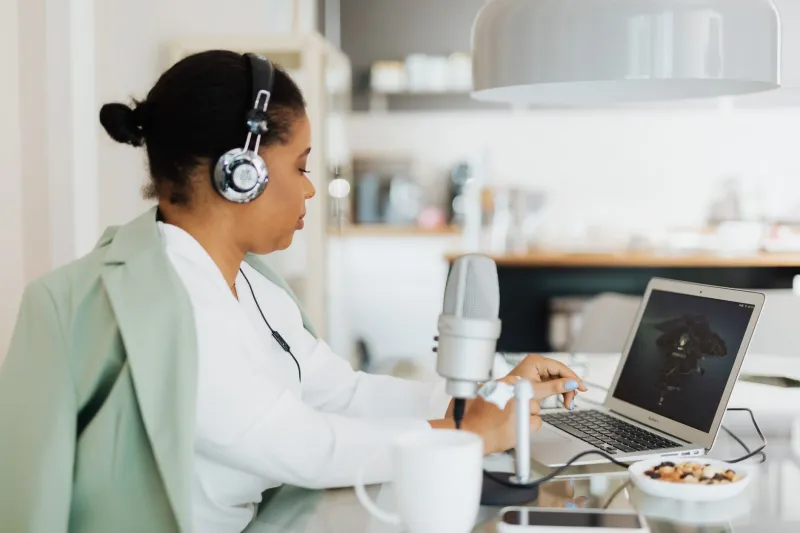
Photo by Photo by Maddi Bazzocco on Unsplash on Unsplash
Let's be honest for a second. You've probably caught yourself rooting for a celebrity's relationship like it was your best friend's. Maybe you felt a little gutted when a YouTuber you watched every week announced they were taking a break. Or maybe — no judgment here — you've referred to a podcast host as "my friend" before catching yourself mid-sentence.
Welcome to the parasocial era. It's messy, it's deeply human, and it's everywhere.
What Even Is a Parasocial Relationship?
The term "parasocial" sounds clinical, but the concept is surprisingly simple. Psychologists Donald Horton and Richard Wohl coined it back in 1956 to describe the one-sided emotional bonds audiences form with media figures. Back then, they were talking about TV personalities who spoke directly to the camera, making viewers feel addressed as individuals.
Fast forward to 2024, and that dynamic has been turbocharged by Instagram Stories, TikTok Lives, and podcast confessionals that run for three hours straight. The feeling of intimacy has never been more convincing — even when it's completely manufactured.
Think about it: a creator films themselves making coffee at 7 a.m., complaining about their landlord, and tearing up over a family argument. You're watching from your bed, in your pajamas, sharing the same kind of mundane morning. Of course it feels like a friendship. The whole setup is engineered to feel that way.
Social Media Turned the Volume Way Up
Traditional celebrity culture kept stars at arm's length. You saw them in movies, read about them in magazines, and that distance was part of the mystique. But platforms like Twitter (now X), BeReal, and especially TikTok collapsed that distance almost entirely.
Now, celebrities and influencers post unfiltered opinions at 2 a.m. They respond to fan comments. They share their therapy breakthroughs and their dinner disasters. The algorithmic incentive is clear: the more personal you get, the more engagement you earn. Vulnerability is content. Relatability is a brand strategy.
And audiences respond — deeply. A 2021 study published in the journal Psychology of Popular Media found that parasocial relationships have intensified significantly during periods of social isolation, with viewers reporting that their connections to media personalities felt "as real" as some of their in-person friendships. That finding landed right in the middle of a global pandemic, which probably tells you everything you need to know about the timing.
Why Scandals Feel Like Personal Betrayal
Here's where things get really interesting — and a little uncomfortable. When a beloved celebrity does something controversial, the public reaction is often disproportionate to any actual harm the viewer experienced. People aren't just disappointed; they're devastated. They feel lied to. Deceived. Dumped.
That reaction makes total sense when you understand the parasocial bond. If you've spent hundreds of hours with someone's voice in your ears — their jokes, their fears, their opinions — you've built a mental model of who they are. A scandal doesn't just challenge their reputation; it challenges the version of them that lives in your head. And that version? You built it yourself, over years. Losing it hurts.
This is why cancel culture often looks so emotionally raw from the outside. It's not purely performative outrage. For a lot of people, it's genuine grief — the loss of a relationship that was always fictional but never felt that way.
Platforms Profit From the Feeling
It would be nice to think this all happens organically, but let's not be naive. Social platforms actively design features that deepen parasocial attachment. Subscriber-only content on Patreon and OnlyFans creates a literal tiered intimacy system — pay more, get more access. Instagram's "Close Friends" stories let creators simulate an inner circle. Twitch streamers acknowledge individual donors by name in real time.
These aren't accidents. They're features built to maximize the sensation of personal connection because personal connection keeps people subscribed, donating, and watching ads. The lonelier you feel in your offline life, the more valuable these simulated bonds become — and the platforms know it.
And look, that's not entirely sinister. For people in genuinely isolating circumstances — rural communities, people with social anxiety, folks going through major life transitions — these parasocial relationships can provide real comfort. The question is whether the industry has any responsibility for what happens when the illusion cracks.
What It Says About Us Right Now
Zooming out a little, the parasocial explosion isn't just a tech story. It's a loneliness story. The U.S. Surgeon General declared loneliness an epidemic in 2023, with data showing that Americans report fewer close friendships than any previous generation on record. Into that void, content creators have stepped — not maliciously, but effectively.
We are wired for connection. Our brains don't have a built-in filter that says, "this person doesn't know you exist, so don't get attached." When all the social cues of friendship are present — shared humor, vulnerability, consistent presence — the brain responds accordingly. It's not a weakness. It's biology meeting an environment it wasn't designed for.
The healthiest version of this, psychologists suggest, is awareness. Enjoying a creator's content, even feeling genuine warmth toward them, isn't inherently harmful. It becomes complicated when the relationship starts substituting for real-world connection rather than supplementing it — when the podcast host's opinion matters more than your actual friends', or when a celebrity scandal genuinely ruins your week.
So What Do We Do With This?
Probably the most honest thing we can do is stop pretending it's weird or embarrassing. Most of us are doing some version of this. The person who tears up at a streamer's announcement that they're quitting isn't broken — they're just human in a very modern way.
But a little self-awareness goes a long way. Next time you feel that gut-punch reaction to celebrity news, it's worth asking: what am I actually feeling here, and where is it really coming from? Sometimes the answer is just that you enjoyed someone's work and you're bummed it's changing. That's fine.
Other times, the answer might point to something a little bigger — a need for connection that deserves to be met somewhere a little closer to home.
Either way, you're not alone in feeling it. Which is, in its own weird way, kind of the point.