Stan Culture Is Eating Itself: Inside the Internet's Most Unhinged Fan Army Battles
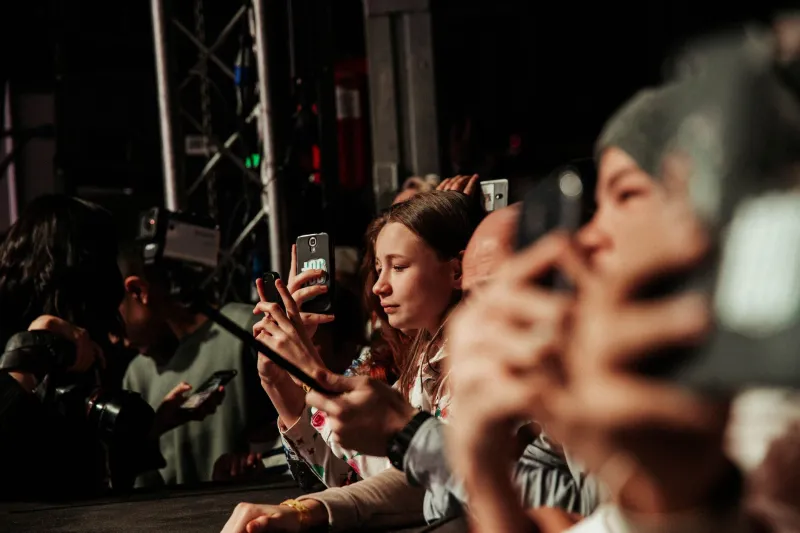
Let's set the scene. It's 3 a.m. on a Thursday. Somewhere in the continental United States, a 19-year-old is composing their 47th tweet of the evening, this one targeting a stranger who made the catastrophic mistake of saying they preferred one pop star's new album to another's. The reply is not kind. The reply includes several things that would not be appropriate to reprint here. The reply gets 200 likes in 11 minutes.
Welcome to the fandom wars. Population: way too many of us.
From Fan Clubs to Fan Armies: How We Got Here
Fandom itself is ancient. People have been obsessively devoted to performers, athletes, and public figures for as long as those categories have existed. Beatlemania in the '60s. The screaming audiences of Frank Sinatra's early career. The intense devotion of soap opera fan clubs that mailed actual physical letters to network executives when a character got killed off.
But something shifted — hard — with the rise of social media, and it accelerated dramatically around 2012 to 2015 when Twitter became the primary arena for pop culture discourse and platforms like Tumblr turned fan communities into fully realized subcultures with their own hierarchies, vocabulary, and internal politics.
The term "stan" — borrowed from Eminem's 2000 track about an obsessive fan who spirals into violence — went from a cautionary concept to a badge of honor. To stan someone is to love them with maximum intensity, maximum loyalty, and, increasingly, maximum aggression toward anyone perceived as a threat.
"Group identity is one of the most powerful psychological forces we have," explains Dr. Cynthia Vinney, a psychology researcher who studies media and fandom. "When your identity becomes fused with a celebrity or a franchise, any criticism of that thing feels like a personal attack. The fan base becomes a tribe, and tribes defend themselves."
The Beyhive, the Swifties, and the BTS Army Walk Into a Bar...
It would be easy — and lazy — to pick on any single fandom here, so let's be clear: this is a cross-genre, cross-demographic phenomenon. The specific conflicts change; the structure is always the same.
The beef between Swifties and Scooter Braun's artist roster after the master recordings dispute in 2019 produced years of sustained online hostility that spilled well beyond the original controversy. BTS's ARMY, one of the most organized fan communities on the planet, has been documented coordinating mass-reporting campaigns against accounts they perceive as critical of the group — but also doing things like flooding a Dallas police department's tip line with fancams when it asked for protest footage, which was, depending on your perspective, either hilarious civil disobedience or a concerning demonstration of coordinated online power.
The Beyhive has sent death threats. Nicki Minaj's Barbz and Cardi B's fan base have engaged in years of low-grade warfare that at various points escalated into actual harassment of the artists' family members. Marvel fans and DC fans have been in a cold war since approximately 2013 that occasionally turns hot whenever a Rotten Tomatoes score comes out. Star Wars fandom has been in open civil war with itself since at least The Last Jedi, with a harassment campaign so severe that actress Kelly Marie Tran deleted her entire Instagram presence.
That last one is worth sitting with. A woman left social media because the coordinated cruelty of a fan base became genuinely unbearable. That's not passion. That's something else.
The Dopamine Loop Nobody's Talking About
Here's where it gets uncomfortable: the platforms themselves are not neutral parties in this.
Engagement-driven algorithms — the ones that power Twitter/X, TikTok, YouTube comments, and Reddit — are specifically optimized to surface content that provokes strong emotional reactions. Outrage, tribalism, and conflict generate more clicks, more replies, more time-on-platform than measured appreciation ever will. The fandom war is, in a very literal sense, good for business.
"The internet didn't create tribalism," says Dr. Pamela Paresky, a psychologist who has studied political and cultural polarization. "But it created an environment where tribal conflict is constantly incentivized and rewarded. You get social validation — likes, followers, community approval — for performing aggression on behalf of the group."
The result is an escalation spiral. Each generation of fan conflict has to be more extreme than the last to cut through the noise. What starts as passionate defense of an artist becomes coordinated mass-reporting. Mass-reporting becomes doxxing. Doxxing becomes genuine real-world harassment. And somewhere along the way, the original thing — the music, the movie, the athlete — gets almost completely lost.
When Celebrities Push Back (And When They Don't)
Celebrities themselves have had wildly different responses to the armies fighting in their name.
Taylor Swift has, over the years, both benefited from and been visibly uncomfortable with the more aggressive elements of her fan base. During the Ticketmaster debacle of 2022, Swifties' coordinated outrage genuinely moved the needle on a congressional hearing. But Swift has also made pointed public statements asking fans not to harass people she's in conflict with — statements that, it must be said, have had limited effect.
Billie Eilish has been more direct, explicitly calling out toxic behavior in her community and refusing to co-sign fan attacks. Olivia Rodrigo made headlines when she publicly distanced herself from harassment conducted in her name during the early days of the Drivers License drama.
Others have been less scrupulous. Some celebrities have a documented history of subtweeting or making vague statements that they know will activate their fan bases — essentially outsourcing the dirty work while maintaining plausible deniability. It's a dynamic that says a lot about the transactional nature of the celebrity-fandom relationship in 2024.
What It Actually Says About Us
Zoom out far enough and the fandom war is just tribalism wearing a band tee. Human beings are wired for in-group loyalty and out-group suspicion — it's baked into our evolutionary history. The internet didn't install that software. It just gave it a global arena and a 24/7 operating schedule.
But there's something specific to this cultural moment worth naming. In a time when traditional community structures — religious institutions, civic organizations, even just stable neighborhoods where people know each other — have eroded significantly, fandom communities fill a real psychological need. They offer identity, belonging, shared purpose, and the feeling of being part of something bigger than yourself.
The tragedy is that those genuinely good things get weaponized. The community that helps someone through depression at 2 a.m. is the same community sending coordinated hate to a film critic who gave their favorite movie three stars.
The intensity of the wars is proportional to the depth of the need they're filling. Which means the answer probably isn't shaming people out of their fandoms. It's building a culture — offline and on — where people have more places to belong.
In the meantime: maybe log off for a bit. The fancams will still be there in the morning.


