Bye, Buffering: How Rage-Quitting Your Streaming Services Became the Hottest Hobby Online

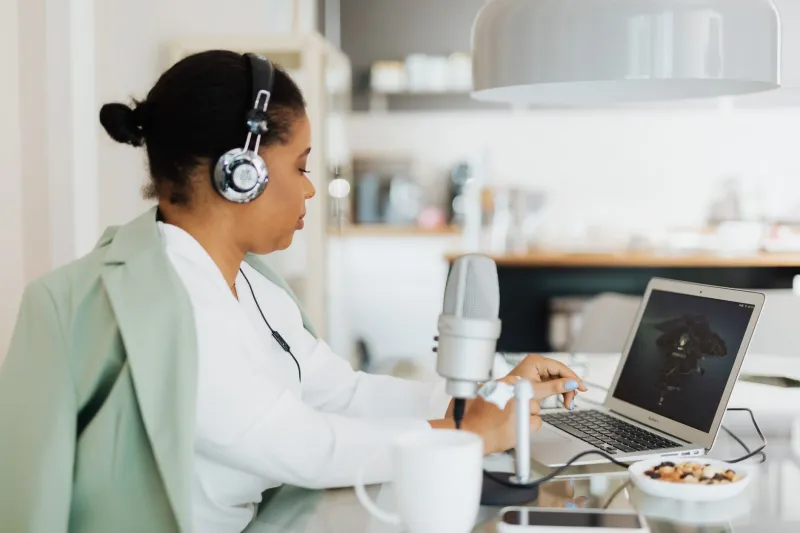
Photo by Photo by Oleg Ivanov on Unsplash on Unsplash
There's a very specific kind of satisfaction that comes from watching someone else lose it. Not in a cruel way — more like the deeply relatable joy of seeing a stranger in a parking lot do exactly what you've been fantasizing about doing for months. That's essentially what's happening across social media right now, except instead of parking lot drama, we're all glued to people dramatically canceling their streaming subscriptions and absolutely filming it.
Welcome to the era of the streaming breakup. It's messy, it's cathartic, and honestly? It's better than half the content on the platforms people are leaving.
The Bill That Broke the Camel's Back
Let's be real — nobody woke up one morning and decided to cancel Netflix out of nowhere. This has been building. Over the past few years, the major streaming services have been quietly, then not-so-quietly, hiking their prices. Netflix. Hulu. Disney+. Max. Peacock. The list goes on, and so do the monthly charges. What started as a cord-cutting revolution — a way to ditch the cable company and reclaim your wallet — has slowly morphed into a different kind of financial trap, just with better original content and a sleeker interface.
Then came the password-sharing crackdowns. Netflix's rollout of its paid sharing policy in 2023 was the streaming equivalent of a landlord changing the locks while you're at work. Millions of people who had been happily mooching off a family member's account suddenly found themselves at a crossroads: pay up or peace out. A whole lot of them chose peace out — loudly.
The Rise of the Public Streaming Breakup
Here's where it gets genuinely fascinating. People didn't just cancel. They announced it. TikTok filled up with videos of users screen-recording the cancellation process in real time, narrating their grievances like they were filing a formal complaint with HR. "I've been with you since 2014, and this is how you treat me?" one creator said to her phone, mid-cancellation, racking up hundreds of thousands of views.
Reddit threads in communities like r/cordcutters and r/television turned into something resembling group therapy sessions, with users sharing their cancellation stories, the final straw that pushed them over the edge, and — crucially — what they planned to watch instead. These posts weren't just venting. They were content. People were reading them for entertainment, commenting with their own frustrations, upvoting the most dramatic departures like they were voting for their favorite reality show contestant.
There's a word for what we're all feeling watching these meltdowns: schadenfreude. That guilty little pleasure you get from someone else's misfortune — except in this case, it's not really misfortune. It's relatable frustration turned into performance art.
Subscription Fatigue Is Real, and It Has a Personality Now
Psychologists have a term for the mental exhaustion of managing too many subscriptions: subscription fatigue. But what's newer, and honestly more interesting, is how that fatigue has developed a public-facing identity. It's no longer just burnout — it's a vibe. A cultural stance. Canceling your streaming services has become a way of signaling something about yourself: that you're savvy, that you won't be played, that you understand you're the product.
There's also a genuine community forming around the post-streaming life. "What do I actually do now?" posts are everywhere, and the answers are surprisingly wholesome — library cards are having a moment, antenna TV is making a comeback, and physical media (yes, actual Blu-rays and DVDs) has seen a quiet resurgence among people who are tired of content disappearing from platforms without warning. Remember when Netflix pulled a beloved show you were halfway through? Yeah. People remember.
The Platforms Aren't Blameless Here
It would be easy to frame all of this as consumers being dramatic, but the streaming companies genuinely created this situation. The original promise of streaming was simplicity and value: one low monthly fee, all the content you could ever want, no commercials. That promise has been systematically dismantled. Ad-supported tiers crept in. Premium add-ons appeared. Live sports got paywalled. Beloved shows got canceled after one season because of an algorithm nobody fully understands.
People feel deceived, and that feeling is valid. The public breakup content isn't just entertainment — it's feedback, delivered in the only language the internet fully understands: virality.
The Irony Nobody's Talking About
Here's the twist that makes this whole phenomenon peak 2020s internet: the streaming breakup content is itself being consumed on streaming-adjacent platforms. YouTube. TikTok. Twitch. People are rage-quitting Netflix and then immediately going to watch someone else rage-quit Netflix on a platform that's also probably going to raise its prices next quarter.
We're not escaping the content machine. We're just reorganizing our relationship with it. And somewhere, in a boardroom at one of these streaming giants, someone is definitely tracking how many subscribers came back after their dramatic exit. Because here's the dirty secret: a lot of them do. The new season drops, the must-watch documentary lands, and suddenly the breakup is back on pause.
So What's Actually Changing?
Maybe nothing. Maybe everything. What's clear is that audiences have gotten smarter and more vocal about what they expect from the services they pay for. The streaming breakup trend — as performative as it sometimes is — represents a genuine shift in how consumers relate to entertainment platforms. We used to be passive subscribers. Now we're participants in an ongoing negotiation, and we've figured out that the most powerful move we have is the cancel button.
Whether or not you actually follow through is almost beside the point. The act of considering it, of taking that moment to ask "wait, am I actually watching enough of this to justify the cost?" — that's the real revolution here. Streaming services made us feel like we needed them. Turns out, we just needed a reason to remember we have a choice.
And if you film the whole thing and post it? Even better. That's just good content.