Famous for Being Hated: The Weird New Economy of Getting Rich Off Your Own Bad Press
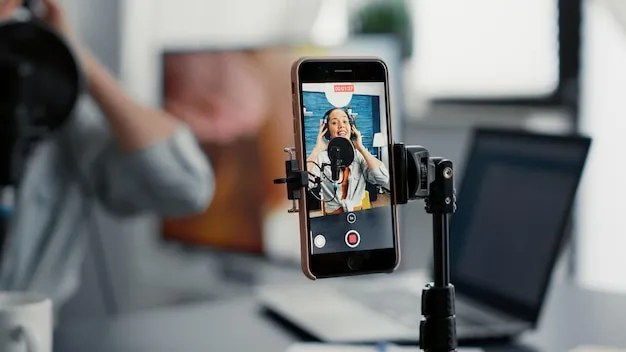
Photo: influencer controversial social media attention phone camera, via img.freepik.com
At some point in the last few years, something shifted in how the internet processes people it collectively dislikes. The shift was quiet, gradual, and kind of uncomfortable to look at directly. But here's where we've landed: some of the most financially successful creators, personalities, and public figures online are thriving almost entirely because people can't stand them.
Welcome to the hate economy. Population: more than you'd think.
From Guilty Pleasure to Growth Strategy
Hate-watching has been around as long as television. People watched The Bachelor while loudly insisting it was trash. They tuned into reality shows with the express purpose of yelling at the screen. It was a private, low-stakes thing — a way to feel superior while still consuming content you'd never admit to enjoying.
What changed is the internet's ability to turn that private experience into a public, monetizable one. When you hate-watch a show alone on your couch, you generate one set of ratings. When you hate-watch a creator on TikTok, post a reaction video, quote-tweet their worst takes, and spend twenty minutes in the comments arguing with strangers about why they're the worst — you've just handed that creator an algorithm-boosting engagement spike that their actual fans couldn't have manufactured.
The discovery that negative engagement and positive engagement are functionally identical to most platforms' ranking systems was, for certain kinds of creators, basically a cheat code.
The Case Studies Are Everywhere
You don't have to look hard to find examples. The fashion and lifestyle space — which has always had a complicated relationship with aspiration, gatekeeping, and public image — has produced some of the most visible beneficiaries of this dynamic.
Think about the influencers who built audiences around aesthetics so aggressively curated that they invite mockery. The "old money" girlies whose content reads as a parody of itself but pulls millions of views partly because people are watching to dunk on it. The wellness creators whose advice is so obviously questionable that entire subreddits exist to catalog the bad takes — and yet those same subreddits keep the creator's name in circulation, drive curious new viewers to the original content, and generate enough chatter to keep the algorithm interested.
Or look at the broader entertainment world. Certain reality TV personalities have built post-show careers almost entirely on being reliably controversial. The discourse around them never dies because there's always something new to be outraged about. Every outrage cycle is another news cycle. Every news cycle is another sponsorship conversation.
The Attention Is the Product
Here's the mechanism that makes this work, and it's worth understanding clearly: on most major platforms, the currency isn't goodwill — it's attention. Duration, engagement, shares, saves, comments. A video that makes you furious and compels you to screenshot it and send it to your group chat with "can you BELIEVE this" is, from the platform's perspective, performing beautifully.
This is why the old PR wisdom — "any press is good press" — has found new life in the creator economy. It was always partially true. Now the infrastructure exists to prove it in real time, with analytics.
The savvier players in this space aren't just accidentally benefiting from hate attention — they're engineering for it. Provocative takes posted at peak hours. Outfits chosen specifically to invite criticism from a specific demographic. Brand partnerships that feel slightly off, generating just enough controversy to keep the comment section active. It's not chaos. It's a content strategy.
The Ethics Nobody Wants to Have
This is where the conversation gets genuinely complicated, because there are real stakes here beyond just "ugh, I hate that person."
When a creator is genuinely harmful — spreading misinformation, promoting dangerous products, platforming discriminatory views — the argument for not engaging, even critically, has real weight. Every reaction video, every callout thread, every "I can't believe this person" TikTok stitch contributes to that person's reach. The criticism is real. The harm is real. And the beneficiary of both is the person being criticized.
This is the trap that a lot of well-intentioned people fall into. The instinct to call something out is good. The outcome — more views, more followers, more brand deals for the person being called out — is not always what anyone intended.
There's a phrase that gets used in media criticism circles: "don't feed the beast." It's easier said than done when the beast is doing something genuinely awful and your instinct is to say so publicly. But the architecture of social media has made that instinct profitable for exactly the wrong people.
But Is It Always Bad?
Fair question. Not every hate-watch target is a bad actor. Some are just annoying, or delusional, or living in a reality so removed from everyone else's that watching them is genuinely fascinating in the way that watching a nature documentary is fascinating.
There's a legitimate argument that some forms of collective mockery serve a social function — puncturing pretension, holding absurdity accountable, creating shared moments of "okay we ALL see this, right?" that feel genuinely communal. The group chat reaction to an influencer's deeply out-of-touch beach vacation content isn't activism, but it's also not nothing. It's people processing the strangeness of the world they're living in together.
The distinction worth making is between hate-watching as a form of cultural commentary — which has always existed and probably always will — and hate-watching as a revenue stream for the person being hated. Those are different things, even if they look identical from the outside.
The Audience Is Starting to Catch On
There's a growing awareness, especially among younger audiences who grew up online, of how this game works. The phrase "don't give them the views" has become a reflex. Accounts that aggregate controversial content without linking to the original source have become popular specifically because they let people stay informed without directly contributing to the engagement metrics.
It's an imperfect solution — the discourse still happens, the name still circulates — but it reflects a real shift in how people think about their attention as a resource. Not just something that gets spent, but something that gets used by the people receiving it.
Whether that awareness translates into meaningfully different behavior at scale is still an open question. The hate economy is built on impulse, and impulse is hard to override with media literacy, no matter how good your intentions are.
So What Do You Do With This?
There's no clean answer here, and anyone offering one is probably selling something. The honest position is that this is genuinely messy — the line between valid criticism and free marketing is blurry, the platforms have no incentive to fix it, and the human instinct to react to things that bother us isn't going away.
But knowing the game exists is at least a starting point. The next time something makes you want to share it specifically because of how bad it is — pause for half a second. Ask whether your reaction is going to hurt or help the thing you're reacting to. Sometimes the answer will still be "share it anyway, this needs to be seen." Sometimes it'll be "actually, let me just talk about this without the link."
Either way, you're playing the game with your eyes open. And that's more than most people can say.